
Difference between Psychopaths, Sociopaths and Neurotics
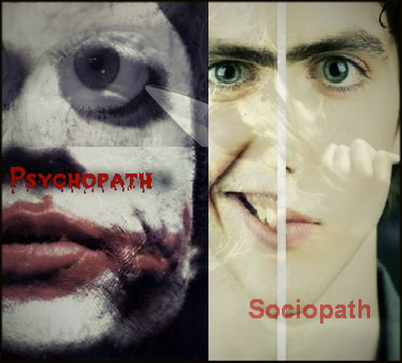
Are you scared of people who are a threat to society? Yes! Everyone is. In the tunnel of Psychology, a variety of disorders are encountered every day by psychologists. Revealing the core, there are many disordered beings including psychopaths, sociopaths, and neurotics. Let’s study the description and difference between psychopaths, sociopaths, and neurotics.
Who is a Psychopath?
The term usually denotes a person who is out of moral behavior and a threat to society. These people can be murderers, shooters, cult leaders, and manipulative individuals.
Who is a Sociopath?
Sociopath defines a being that is deemed to be emotionless and has a lack of understanding of society or a lack of emotion to relate with others in society.
Who is a Neurotic?
A person suffering from neurosis is called a neurotic. Neurosis is a functional mental disorder that involves chronic distress. A neurotic person does not have delusions or hallucinations.
Psychopaths vs. Sociopaths vs. Neurotics
Origin
- The nature versus nurture debate covers psychopaths. Psychopaths lack empathy which controls emotions and sentiments.
- On the other hand, sociopaths are the result of parental negligence, abuses, criminal peers or bad childhood experiences.
- A neurotic person displays an array of emotions ranging from anxiety, sadness, depression, anger, mental confusion, and irritability.
Various psychological theories answer the question-What factors are responsible for making a neurotic? The answer lies in the fact that a person becomes a neurotic when he satisfies himself with wrong or inadequate answers to the questions of life.
Crime Factor
Both sociopaths and psychopaths are audacious in committing crimes.
- Psychopaths are well aware of human emotions, so they take advantage easily and kill easily.
- Sociopaths are not well-planned planners of crimes as they have human emotions and leave no clues.
- Neurotic people have criminal tendencies. This is a result of impulsive behavior, self-sufficiency, spontaneity, and lack of self-control.
Career
Considering psychopaths, they are smart enough to build up trust in other people and have successful careers. They are the master exploiters of human emotions. On the other hand, Sociopaths have no successful career as failed friendships and relations are encountered by them.
Emotional Stability
Every action has an equal and opposite reaction.
- Sociopaths have less emotional control and show rage and anger.
- Psychopaths have controlled, emotional stability and show little emotion under threat.
- Neurotic people don’t have emotional stability. They suffer from obsessive-compulsive disorder, impulse control disorder, anxiety disorder, hysteria, and a large variety of phobias.
Hide and Seek
Psychopaths have skills to hide in society in order to blend in. Whereas, sociopaths travel everywhere to play with feelings. They may break relations, friendships, marriage, and work as a culprit.
Psychopaths are not psychotic! The modern era defines psychopaths as psychotic beings. But they are not associated with insanity or mental disability. They do have contact with reality. On the other hand, psychotics encounter a break from reality, hallucinations, and delusions.
Neurotics show behavioral symptoms like phobic avoidance, vigilance, impulsive and compulsive acts, habitual fantasizing, unpleasant or disturbing thoughts, negativity, cynicism, etc.
Switch to Treatment
Such people are treated very sensibly. First to understand them, then to communicate effectively and lastly to protect yourself is the effective treatment.
Faces behind the Mask: Getting to Know Psychopaths, Sociopaths, and Neurotics
We loosely speak of a psychopath, a sociopath, or a neurotic without even knowing what these are. These terms, however, refer to real psychological types, each in their own level of complexity.
Psychopaths are the easiest to visualize as being the most terrifying. They blend in effortlessly with charm and confidence. But behind the smile is manipulation, strategy, and a cold lack of feeling. They’re not always violent, but when they are, they’re deadly and unfeeling.
Sociopaths are less predictable, however. They act because of impulsiveness rather than calculated design. They do form connections, but they easily evaporate. Their anger burns quietly beneath the surface, with no warning that anything is building toward a critical moment. They aren’t unconcerned; it’s just that their emotions never anchor them in the way that most people’s do.
Next are the neurotics not threatening, but intensely upset. Always wrestling with worry, doubt, or obsessive thought, they’re drenched in everyday life. Their own inner life is a muddle, plagued by worry, restlessness, or despondency. They might appear theatrical, but what’s behind it is a call for emotional stability.
Despite the variations, one thing that is common to all of them is understanding, not fear. Psychopaths and sociopaths fall under Antisocial Personality Disorders and must be treated with structured intervention. Neurotics require therapy, counseling, and in some cases, medication to level things out.
None of them can be discarded. Behind each stigma is a human being shaped by genetics, experience, and trauma. The more we learn about their reality, the more we can answer with care, not caution.
Because sometimes what we know least is what we fear most.
Both disorders are Antisocial Personality Disorder (ASPD) which refers to a mental illness. For its treatment, the Mayo Clinic does not provide as many resources and information. Treatment for neurosis is standard psychological care. It includes psychotherapy, psychoactive drugs, relaxation exercises like deep breathing, etc. Creative therapies like art therapy or music therapy can help in resolving the cognitive conflicts in neurosis.
Do you agree with us?

And this world is fully loaded with sociopaths.